Archive
Every story
Everything The Care Ledger has published. 20 stories so far, newest first.
November 2026
-
Policy
Medicare drug plan premiums set to rise 50% for enrollees who stay put, KFF finds
The average premium for a stand-alone Medicare drug plan would climb from $34 to $51 a month in 2027 for people who keep their current plan, after federal regulators ended a subsidy that had held premiums down.
-
Policy
ACA open enrollment opens with benchmark premiums up 13% for 2027
Marketplace shoppers face a second straight year of double-digit premium increases, and a higher cap on what they can be asked to pay for care.

October 2026
-
Policy
Judge strikes federal limit on Medicaid work rule exemption for medically frail adults
A federal court ruled that the administration narrowed a protection Congress wrote for people with serious health conditions, two months before Medicaid work requirements begin in expansion states.
-
Policy
Labor Department rule makes pharmacy benefit managers disclose pay to large employers
A Labor Department rule gives large self-insured employers a regular look at the rebates, fees and price spreads their drug benefit managers collect, starting with plan years that begin in mid-2027.
-
Patients and bills
An urgent care asked an uninsured patient for $400 before an epinephrine shot
KFF Health News' latest Bill of the Month shows that urgent care centers, which generally fall outside the federal law requiring emergency departments to treat first, can ask for payment before treating a patient in anaphylaxis.
-
Policy
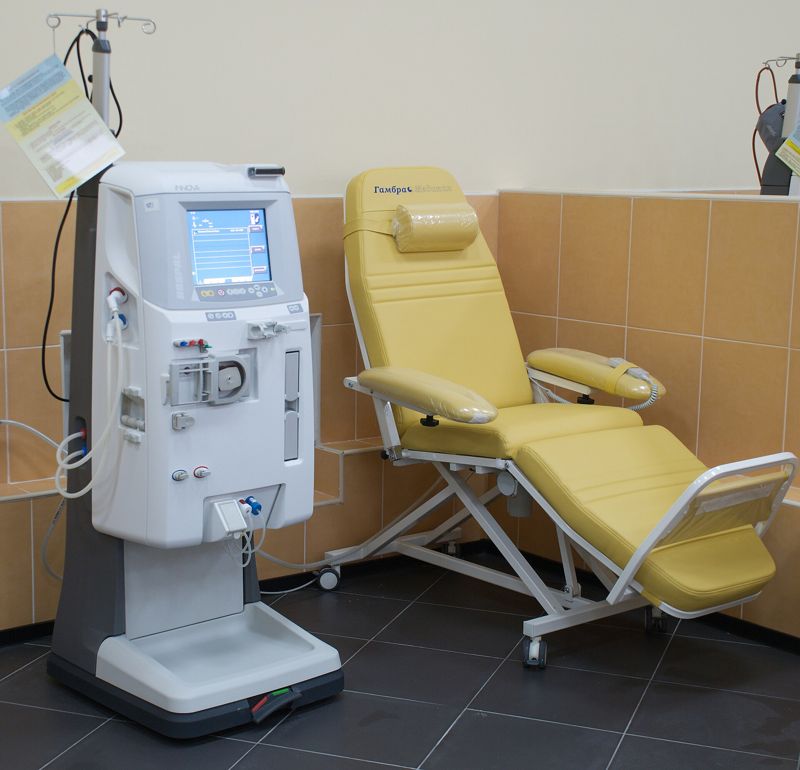
Medicare raises dialysis payments 2.7% for 2027, and patient coinsurance rises with it
A final rule sets next year's per-treatment rate for kidney dialysis, finishes folding phosphate binder drugs into the payment and expands extra pay for low-volume clinics.
-
The market
Centene's marketplace membership falls to 3.4 million from 5.8 million a year earlier
The insurer lost about 2.4 million exchange members after enhanced federal tax credits expired, and it credited higher prices for improving margins on the people who stayed.
-
The market
HCA puts third-quarter cost of patients who lost exchange coverage at $400 million
The hospital chain said people who dropped their marketplace plans kept coming for care without insurance, and Tenet reported the same shift two days later.
-
Patients and bills
Doctors' offices owned by hospitals can bill 10 times more, Washington Post reports
The Washington Post found that routine care in offices bought by hospital systems is often billed at hospital outpatient rates plus a facility fee, raising what patients and their insurers pay for the same service.
-
Policy
Proposed rule would hold back ACA subsidies until eligibility is verified
A federal proposal would stop paying marketplace subsidies while eligibility questions are resolved, starting with 2028 coverage, and officials expect fewer people to enroll as a result.
-
Research and data
Half of working-age adults went without needed care because of cost, survey finds
The Commonwealth Fund's biennial insurance survey found cost-related barriers to care rising since 2022, including among adults who had coverage all year.
-
Research and data
Workers' cost for family coverage rose 9% to $7,471 in 2026, KFF survey finds
KFF's annual survey of employers found that what workers pay toward family coverage grew almost twice as fast as the total premium this year, with the heaviest bills at small firms.
-
Patients and bills
Oregon hospitals doubled financial aid after a law required automatic screening
Once Oregon made hospitals check patients for aid without waiting for an application, the free and discounted care they gave rose sharply, a Tradeoffs analysis found, while many Texas hospitals still bill patients first.
-
Research and data
New drugs launched at a median net price near $257,000 a year in 2025, report finds
A report from the Institute for Clinical and Economic Review and West Health found that launch prices for new drugs rose sharply after 2022 and that most first prescriptions for those drugs were not filled within a month.
-
Policy
Medicare proposal would cap costs for patients misled by wrong provider directories
A proposed rule carrying out a 2026 law would also limit how drug benefit managers are paid in Part D and end generic drug copays for the poorest enrollees in 2028.
-
Patients and bills
Illinois says its program has erased $1.4 billion in medical debt in two years
The state buys unpaid medical bills in bulk for a fraction of what patients were charged and cancels them, showing how little old medical debt is worth once it goes unpaid.
-
The market
Rush and Endeavor Health plan to merge into a 12-hospital Chicago-area system
The proposed deal would join two large nonprofit systems in a market with no dominant player, and a KFF researcher noted that hospital consolidation has been linked to higher prices.
-
Research and data
Prices drove 90% of employer plan spending growth from 2019 to 2023, report finds
The Health Care Cost Institute's annual claims report found that people with job-based coverage used only slightly more care over five years, while the average price of that care climbed every year.
-
Research and data
High-deductible plan members paid up to 2.4 times as much for chronic care, study finds
A national claims study of more than half a million workers with diabetes or high blood pressure found that patients in high-deductible plans paid far more of the bill for routine recommended care, though the dollar gap was modest.
-
The market
UnitedHealth profit rises 75% as its Medicare Advantage rolls shrink by 935,000
The company said pricing discipline and benefit changes cut the share of premiums it spends on care, after it raised prices and trimmed benefits for seniors.