High-deductible plan members paid up to 2.4 times as much for chronic care, study finds
A national claims study of more than half a million workers with diabetes or high blood pressure found that patients in high-deductible plans paid far more of the bill for routine recommended care, though the dollar gap was modest.
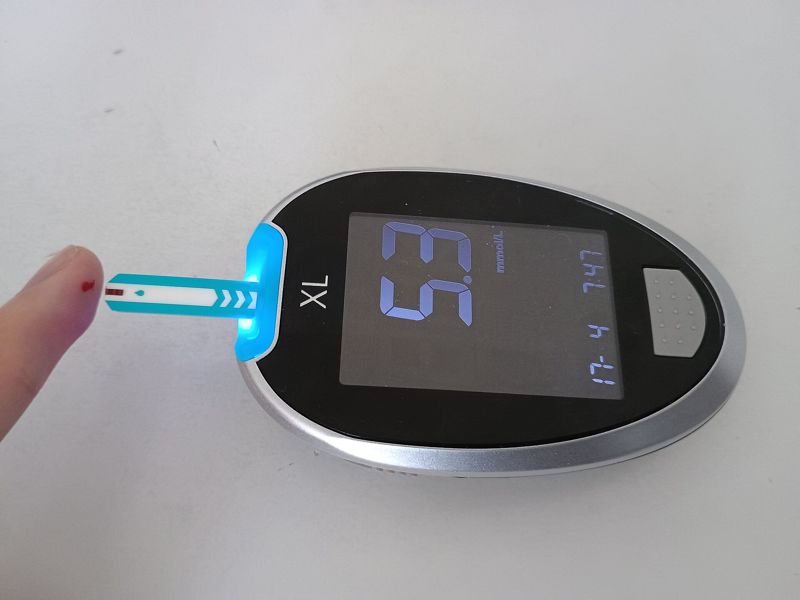
Adults with diabetes or high blood pressure in high-deductible health plans (HDHPs) paid 1.6 to 2.4 times as much out of pocket for recommended care as similar patients in other employer plans, according to a study published October 13 in JAMA Network Open1. The estimated difference was roughly $64 to $86 a year, depending on the condition.
The study, led by Risha Gidwani of the University of Colorado School of Medicine and RAND, measures a tradeoff that many workers with chronic conditions face. In HDHPs paired with health savings accounts (HSAs), virtually all chronic illness care is subject to the deductible, the authors wrote, so patients pay the full negotiated price for routine visits and tests until they meet it. The minimum deductible for these plans in 2023 was $1,500 for individual coverage and $3,000 for family coverage, the study noted.
The researchers used national MarketScan commercial claims from 2022 and 2023 for 539,590 adults ages 18 to 64 with employer coverage who received guideline-recommended care. That care included an annual physician visit and routine lab work, such as two hemoglobin A1c tests a year for diabetes and an annual creatinine test for hypertension, plus specific blood pressure medications for people with both conditions. The team compared HDHP enrollees with those in other plans and used statistical weighting to balance the two groups on traits such as age and sex.
For individual plans, patients with diabetes paid an estimated $153.91 a year for recommended care in an HDHP, compared with $68.06 in other plans. For hypertension, the figures were $128.94 and $53.89, and for people with both conditions, $164.18 and $100.60, the study found. Family plans showed similar patterns.
The difference was about who paid, not how much the care cost. Total spending on recommended care, counting both insurer and patient payments, was slightly lower in HDHPs, by $3.33 to $31.56 depending on the group. But HDHP enrollees covered a much larger share of it: among people with diabetes in individual plans, 70.5% of the total came out of pocket, compared with 35.8% in other plans. The gap was close to zero for patients with the lowest costs, about $100 at the median, and largest around the 75th percentile, according to the analysis.
The authors called the increase significant but modest. They also wrote that even modest cost sharing can discourage people from getting care they need, and that policies exempting chronic disease management from HDHP deductibles may improve access. Federal legislation to create such an exemption has been introduced, they noted.
The study has limits the authors acknowledge. It included only people who received recommended care, so it does not capture patients who skipped care because of cost. Claims data also miss some guideline care, such as prescribing decisions based on measurements taken in the office, which the authors said makes their estimates conservative. The analysis is observational, and it measures only the cost of the specific recommended services, not everything these patients spent on care during the year.
High-deductible plans are a large part of job-based coverage. KFF's 2026 Employer Health Benefits Survey2, released October 22, found that 29% of covered workers are enrolled in plans that qualify for an HSA. Among workers with a deductible for single coverage, the average deductible was $1,955, and 38% of covered workers had a single deductible of $2,000 or more, according to the survey.