Labor Department rule makes pharmacy benefit managers disclose pay to large employers
A Labor Department rule gives large self-insured employers a regular look at the rebates, fees and price spreads their drug benefit managers collect, starting with plan years that begin in mid-2027.
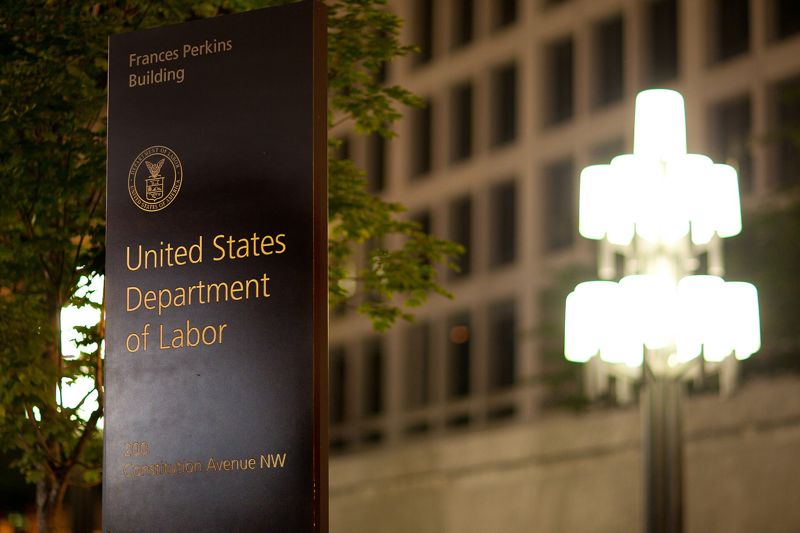
The Department of Labor has finalized a rule that requires pharmacy benefit managers (PBMs) to tell large self-insured employer health plans how much they are paid, including rebates from drugmakers and the spread they keep between what a plan pays for a drug and what the pharmacy receives. The department announced the rule Oct. 29, and it was published in the Federal Register on Nov. 2. It applies to plan years beginning on or after July 1, 2027, according to the final rule1.
Self-insured employers pay their workers' drug claims directly, so what a PBM keeps shows up in premiums, deductibles and pharmacy copays. The department estimates the rule will move about $818.4 million a year from PBMs to self-insured plans and their members through lower drug prices, within a range of $409.2 million to $1.6 billion, according to the rule's regulatory impact analysis. It puts compliance costs for plans, administrators and PBMs at about $60 million a year.
The rule covers self-insured plans sponsored by employers with at least 100 employees, and self-insured plans with at least 100 participants. The department counts 131,102 such plans, covering about 72.4 million participants and beneficiaries. Fully insured plans are not covered, and neither are plans whose sponsors are themselves part of the drug supply chain.
PBMs, and brokers and consultants affiliated with them, must disclose the compensation they expect to receive before a contract is signed, extended or renewed. After that, they must report what they were actually paid every six months, or every quarter if the plan asks. The disclosures cover direct payments from the plan; rebates, fees and other payments from drug manufacturers; and spread compensation. Plans also get a right to audit the disclosures at least once a year, and the choice of auditor belongs to the plan, not the PBM, according to the rule text.
The rule carries out a provision of the Employee Retirement Income Security Act (ERISA) that Congress amended in the Consolidated Appropriations Act, 2026. Under ERISA, a plan's contract with a service provider must meet these disclosure conditions to qualify for an exemption from the law's prohibited transaction rules. The department first proposed the rule on Jan. 30, 2026, after a 2025 executive order directed it to act on PBM compensation.
Employer pharmacy spending is growing faster than medical and surgical spending, the rule says. Retail prescription drug spending in the U.S. reached nearly $495 billion in 2024, it notes, and employers expected pharmacy costs to rise 11% to 12% from 2025 into 2026.
The same 2026 law adds two later requirements. For plan years beginning on or after Aug. 3, 2028, PBMs must pass through 100% of rebates, fees and other payments from drugmakers to the group health plans they serve, and must send plans detailed reports on drug spending and use. The department said those after-the-fact reports and its upfront disclosures are meant to work together.
The PBM industry objects. David Marin, president and chief executive of the Pharmaceutical Care Management Association (PCMA), called the rule "a solution in search of a problem," Healthcare Dive reported2. The group argues the rule duplicates the 2026 law, burdens smaller PBMs and goes beyond the department's authority. Labor Secretary Keith Sonderling described it as a win for workers who have overpaid at the pharmacy counter, and James Gelfand, president and chief executive of the ERISA Industry Committee, said employers will be able to check the numbers, according to the same report.
What comes next
The rule takes effect Jan. 4, 2027, but the new disclosures are not owed until a plan's first plan year that starts on or after July 1, 2027. For plans that run on a calendar year, that is the plan year beginning Jan. 1, 2028. The rebate pass-through and drug spending reports required by the 2026 law follow for plan years beginning on or after Aug. 3, 2028.