
Doctors' offices owned by hospitals can bill 10 times more, Washington Post reports
The Washington Post found that routine care in offices bought by hospital systems is often billed at hospital outpatient rates plus a facility fee, raising what patients and their insurers pay for the same service.
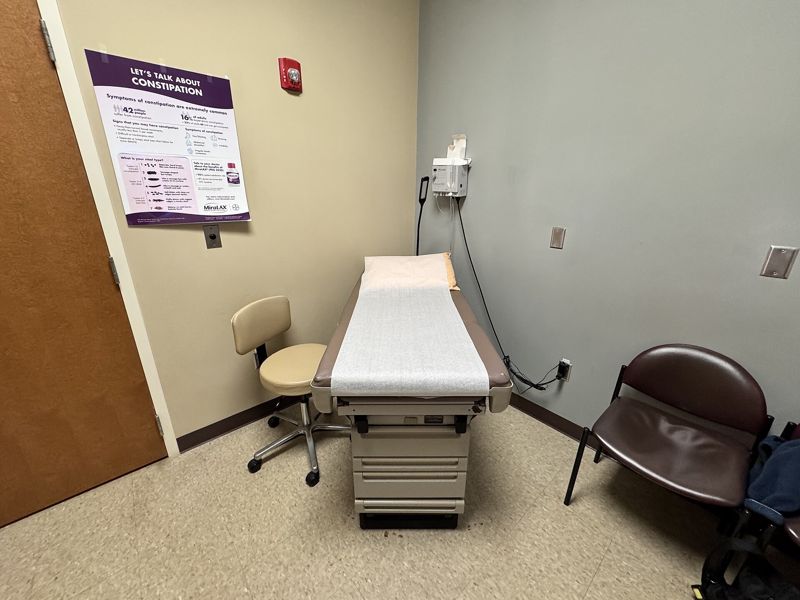
Routine care at doctors' offices owned by hospital systems is often billed as if it took place in a hospital, and the resulting bills can be 10 times higher or more, according to a Washington Post report2 published October 24. The Post found that hospital systems, not the offices themselves, typically set these rates, often adding a separate facility fee even when the patient never set foot in a hospital.
The practice is spreading as hospitals buy practices. Hospital systems now employ nearly half of U.S. physicians, up from less than 30% in 2012, the Post reported.
Why it matters for what people pay
When a visit is billed as hospital outpatient care, the price the insurer is charged goes up, and so can the patient's share. Deductibles and coinsurance are calculated on the higher price, and a facility fee can arrive as its own bill on top of the doctor's charge.
The Post cited research from the Health Care Cost Institute (HCCI), a nonprofit that studies commercial insurance claims, covering 57 services that can be done in either setting. In its published findings1, HCCI said the price was higher in the hospital outpatient setting for every service in every year from 2018 to 2022, with 2022 gaps ranging from 1.27 to 13.5 times.
The Post drew examples from that data. A cast for a broken bone averaged $83 in a doctor's office and $405 when billed as outpatient care. Certain nerve block injections averaged $282 in an office and $1,530 as hospital outpatient care. Radiation treatments averaged $218 in an office and $1,017 as outpatient care.
What patients were charged
The Post described several patients. A retired lawyer in California was billed $605.63 in January for a routine cardiology visit with a doctor affiliated with UC Irvine Health; he later paid a $60 copay to see an independent physician. A patient at NYU Langone's Perlmutter Cancer Center in New York, which is not a hospital, received a $465 bill for a follow-up visit even though her specialist copay was under $60. In Maryland, a patient was told to expect a facility fee of $95 to $210 for a pre-surgery test at a medical office building on a hospital campus.
Insurer data point the same way. Research from the Blue Cross Blue Shield Association found that outpatient charges rose 27% from 2017 to 2022, compared with 2% for doctors' offices, the Post reported. The association's chief executive, Kim Keck, cited its estimate that hospitals would bill $500 billion less over the next decade if federal law barred them from charging more for the same service.
Insurers often cannot tell where care happened, the Post reported, because hospitals tend to list the hospital's address on bills for off-site care. Elevance Health, which runs Anthem commercial plans in 14 states, has said it will soon require hospitals to state the physical location where care was given.
What hospitals say
UCI Health told the Post it charges facility fees at some outpatient clinics because they operate as hospital departments, and that the fee covers space, administrative support, equipment and access to its broader network. NYU Langone said some of its outpatient locations offering advanced cardiac and cancer care are classified as hospital outpatient settings.
The American Hospital Association opposes limits on facility fees. It argues that hospital outpatient sites treat sicker patients and meet higher safety standards, and it warned that restrictions could force cuts to money-losing services such as burn units and behavioral health care.
What comes next
A new federal law will require a separate billing code in some cases for care at off-site locations starting in 2028, the Post reported. Medicare already pays the same rate for certain services regardless of setting, and the Post cited a study estimating that extending that approach to commercial insurance would save employer plans more than $847 billion over a decade and lower premiums by about 5%. Legislative proposals to do that have stalled, the Post reported.
States have moved on their own. Georgetown University's Center on Health Insurance Reforms has tracked nine states with laws limiting the fees, according to the Post. Maine and Connecticut go furthest, banning them for most routine office care.