Illinois says its program has erased $1.4 billion in medical debt in two years
The state buys unpaid medical bills in bulk for a fraction of what patients were charged and cancels them, showing how little old medical debt is worth once it goes unpaid.
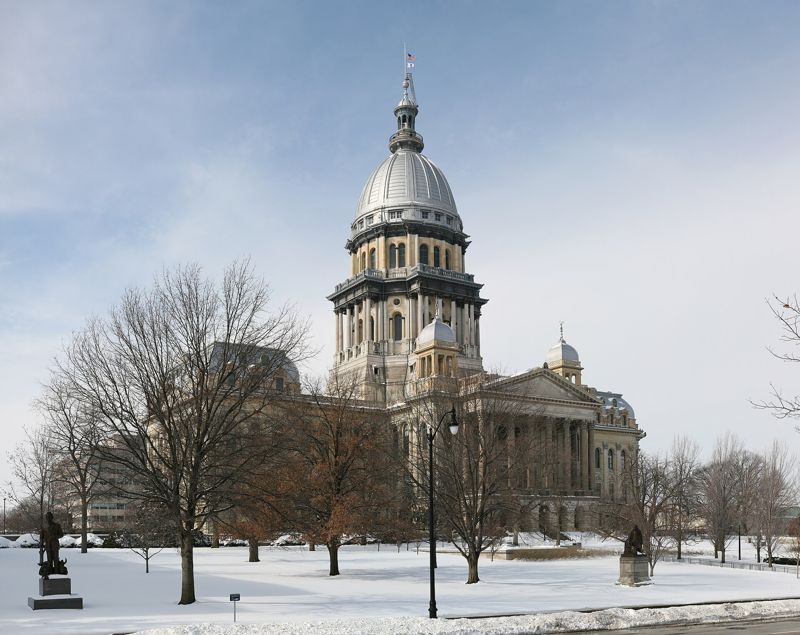
Illinois has erased more than $1.4 billion in medical debt for about 694,000 residents in the two years since it launched its Medical Debt Relief Program, Gov. JB Pritzker's office announced1 on October 15. The state said it spent less than $10 million to do it, passing its original goal of $1 billion by more than $400 million.
The program works because unpaid medical bills are worth far less than their face value once they go unpaid. The state's nonprofit partner, Undue Medical Debt, buys bundled debts from health systems, other providers and debt collectors, often for pennies on the dollar, and then cancels them, according to the governor's office. The state says every dollar it put in erased more than $100 in debt.
On average, people who received relief had more than $1,200 erased, according to the announcement. One person had more than $900,000 cleared. More than $300 million of the total has been erased since February.
Residents in all 102 Illinois counties received relief, and in 40 counties more than 5% of residents did, the state said. In Kankakee County, 22,889 people had debts erased, 21.5% of the county's population. In Massac County, in far southern Illinois, the share was nearly 24%.
To qualify, residents must have household income at or below 400% of the federal poverty level, which the state puts at just over $100,000 a year for a family of three, or medical debt equal to 5% or more of household income. There is no application. The Illinois Department of Healthcare and Family Services (HFS), which runs the program, says households receive letters after their debts have been erased.
The statewide effort was modeled on Cook County's program, which began in 2022, Capitol News Illinois reported4. In August, Cook County said2 its initiative had abolished about $1.05 billion in debt for more than 791,000 residents using $9 million in federal pandemic relief funds. Counting both programs, nearly 1.5 million Illinoisans have had more than $2.4 billion in medical debt erased, according to the governor's office.
Debt relief arrives only after a bill has gone unpaid. A 2024 working paper published by the National Bureau of Economic Research (NBER), based on two randomized experiments, found3 that erasing medical debt did not measurably improve recipients' mental health, financial well-being or use of health care on average. Undue Medical Debt and state officials describe the program as relief for people least able to pay.
Illinois is one of several places erasing debt this way. In Massachusetts, nearly 70,000 residents were due to receive letters the week of October 26 telling them that $38 million in medical debt had been erased, bringing that program's total to more than $293 million since 2024, WBUR reported6. That effort is run by the Atrius Health Equity Foundation and Undue Medical Debt.
Pritzker has said he is committed to continued state funding, the Chicago Sun-Times reported5. Cook County's federal relief money is in its last round, and Board President Toni Preckwinkle plans to propose continued county funding in the fiscal 2027 budget, according to the county.
The need could grow. HFS expects two federal Medicaid changes by early 2027, eligibility checks every six months instead of once a year and a work requirement, that could reduce the number of people who qualify for coverage, Capitol News Illinois reported.