Maryland finalizes the first state payment limits on a drug, for Ozempic and Jardiance
Starting in January, state and local government health plans in Maryland can cap what they pay for the two drugs, and a 2025 law lets the board extend the limits to private insurance from 2028.
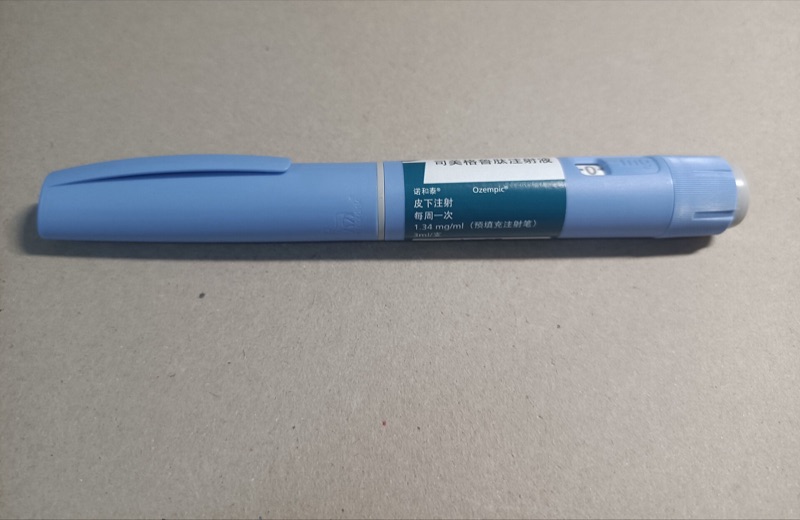
Maryland's Prescription Drug Affordability Board voted unanimously on Monday to approve final regulations that set upper payment limits on Ozempic and Jardiance, the Baltimore Sun reported1. The limits take effect January 1, 2027, and are the first of their kind in the nation, according to the Sun. Ozempic's limit is $274 for a 30-day supply, and Jardiance's is $204.
Why it matters
An upper payment limit is a ceiling on what a payer spends on a drug, rather than a price the manufacturer charges. For now, Maryland's limits apply only to state and local government health plans. A 2025 state law lets the board extend them to private insurance starting in 2028, Maryland Matters reported2, which would put a cap on what employers and commercial insurers pay.
The savings in the first stage go mainly to the plans, not to patients. Most of the participating government plans charge members a flat copay, so the limits are not expected to lower what people pay at the pharmacy counter, according to the Sun.
The limits
The Jardiance limit is $6.80 a pill, or $204 for a 30-day supply, and applies to drugs dispensed or purchased on or after January 1, 2027, according to the regulation text3. The board set a 2026 baseline of $198 for a 30-day supply and will adjust the limit each year for inflation starting in 2028.
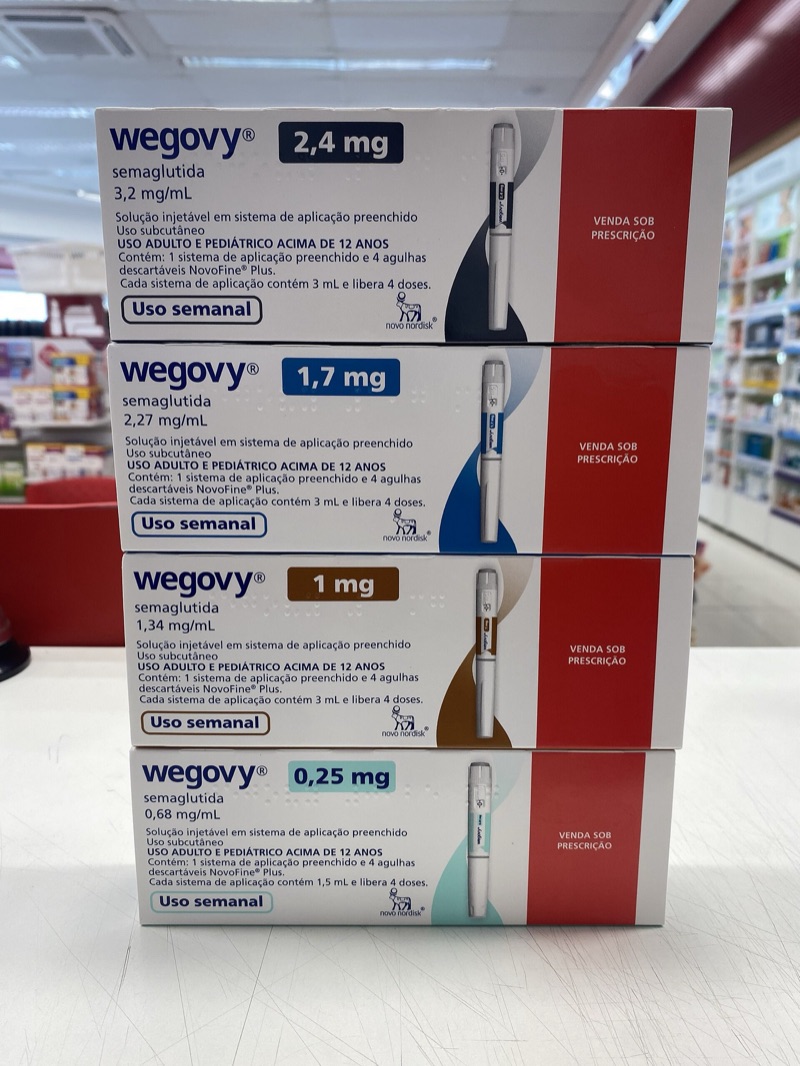
The Ozempic limit is $274 for a 30-day supply, WMAR reported5. That matches the price Medicare negotiated for semaglutide, the active ingredient in Ozempic, which also takes effect in January 2027 and is 71% below list price, Managed Healthcare Executive reported6 in 2025. Wegovy, which contains the same ingredient, is not covered by Maryland's limit.
Eligible government plans can choose to use the limits in 2027, and those that take part must apply them from January 1, 2028, according to the Sun and the board's website4. Plans whose net spending on either drug runs above the limit receive supplemental rebates, the Sun reported.
An analysis by Steve Ports Consulting, commissioned by the advocacy group Maryland Health Care for All, estimates the government plans would save about $5.8 million a year on Ozempic and about $320,000 on Jardiance, Maryland Matters reported. If the limits reached all Maryland plans, the same analysis puts the savings at $113 million to $165 million a year for Ozempic and $9 million to $16 million for Jardiance.
The two sides
Supporters say the limits will save public money. Vincent DeMarco of Maryland Health Care for All called the vote a landmark move for state and local budgets, according to Maryland Matters. AARP Maryland said the limits could widen access to the medicines.
Drugmakers and some patient groups warned that insurers and pharmacy benefit managers (PBMs) could respond by adding more prior authorization and other restrictions, and that small pharmacies could be squeezed on reimbursement, the Sun reported. A representative of the Pharmaceutical Research and Manufacturers of America (PhRMA) said policymakers should focus on insurer and PBM practices instead. Novo Nordisk and Boehringer Ingelheim did not immediately respond to the Sun's requests for comment.
Context
The legislature created the board in 2019, and these are the first limits it has set on any drug, Maryland Matters reported. Other states have tried the same approach, and the Sun noted that litigation over a similar effort in Colorado is ongoing.
What comes next
The regulations go to the Maryland Register for final review, and if no problems arise they take effect January 1, 2027, according to Maryland Matters. Andrew York, the board's executive director, said the board can reconsider or rescind a limit if access problems appear, the Sun reported. Advocates plan to ask the legislature in 2027 to let the board set limits more easily on other drugs with Medicare-negotiated prices.