CVS says GLP-1 drugs would pay for themselves at about $350 a month
CVS Health's own claims study finds that weight-loss and diabetes drugs cut hospital use but still raise what employers and plans spend per member, and it names the net price at which that would stop.
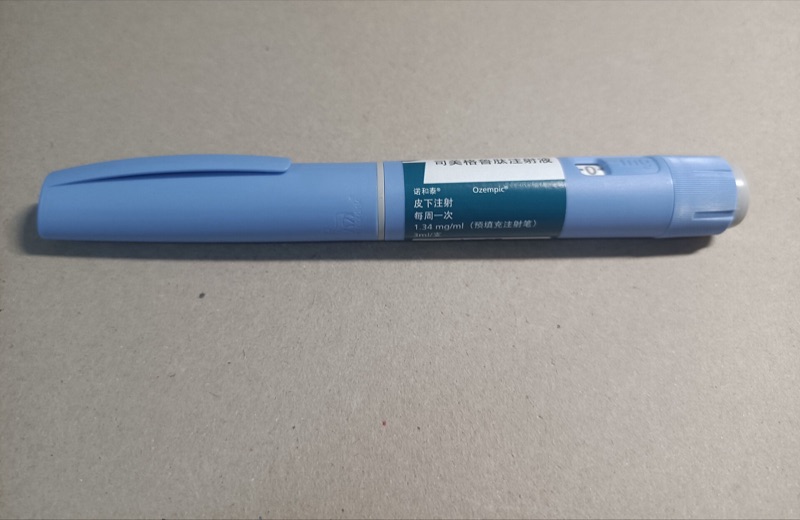
CVS Health has put a number on what GLP-1 drugs would need to cost for health plans to break even. In a white paper released this weekend, the company estimates that a net price of about $350 a month over three years would let lower medical spending offset what plans pay for the drugs. At current prices, CVS found, the drugs add about $3,900 per member to the total cost of care by the third year.
The figure matters because CVS sits on both sides of the bill. It owns Aetna, whose claims the study used, and the Caremark pharmacy benefit manager (PBM), which negotiates drug prices for plans covering about 87 million members, according to the company. A break-even price from that position gives employers a benchmark to hold against what they pay now.
What the study found
The paper, "GLP-1s: Good Drugs, High Prices1," compared commercial fully insured Aetna members who started a GLP-1 drug in 2023 to 2025 with matched members who did not, following them for up to three years.
The health results favored the drugs. Hospitalization rates were 34% to 42% lower among users across the three years, and emergency department visit rates were 10% to 12% lower in the first two years, the paper reports.
The money did not balance. By the third year, medical spending was $9,400 lower per member among users, but net pharmacy spending was $13,300 higher. Members who filled prescriptions covering at least 80% of their days did better clinically and saved $13,000 on medical care, yet their drug costs ran $20,300 higher, a net increase of about $7,300. Staying on the drug improved outcomes without closing the cost gap.
CVS cautions that the $350 figure is an average for the study population, not one price for every patient. A higher-risk patient with diabetes may produce medical savings sooner than a younger patient with obesity, the paper says. The authors also note that the study is observational, that the third-year group is much smaller, and that the break-even estimate is not a price recommendation. Reuters reported3 that about 60,000 people were in the first-year analysis and about 4,000 were still taking the drug in year three.
How far prices are from $350
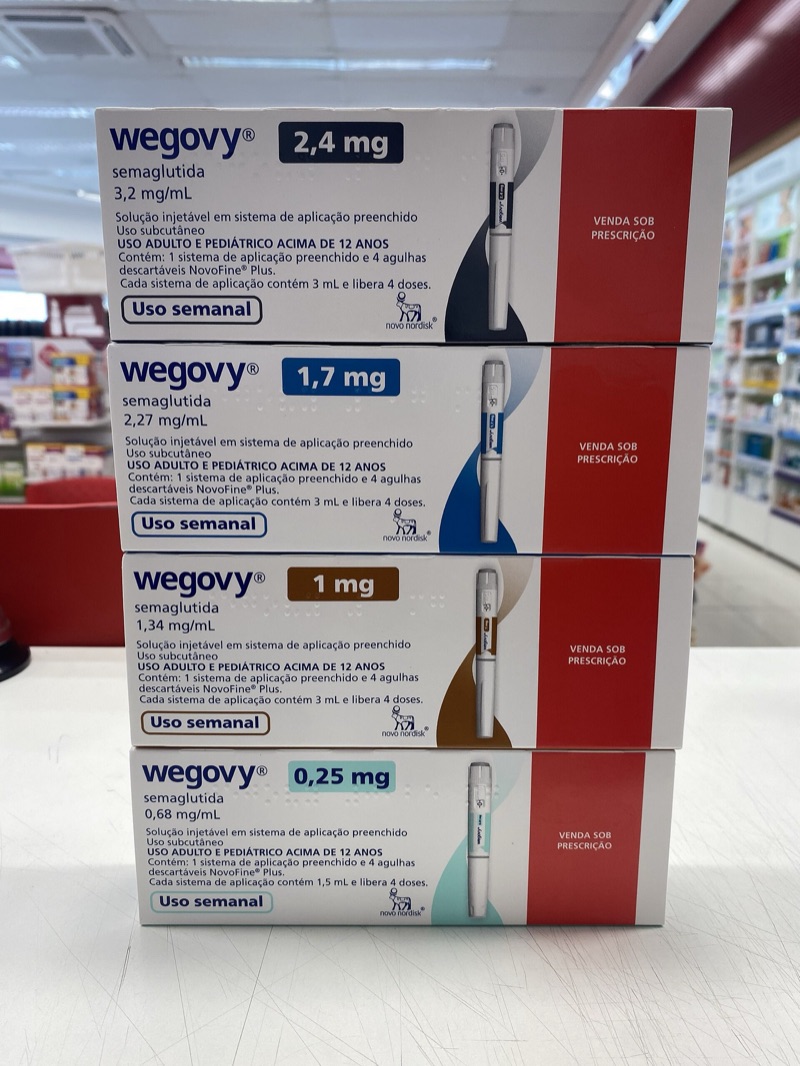
Reuters put the estimate next to what plans pay now. Employers and plan sponsors pay $617 to $766 a month, according to a 2025 Employee Benefit Research Institute study cited by Reuters, and CVS declined to say what employers pay on average. Cash prices that drugmakers offer directly to consumers are lower, about $299 for Zepbound and about $349 for Wegovy, Reuters reported.
That gap is the paper's main argument. CVS says drugmakers should offer health plans and employers net prices at least comparable to their cash prices for the same product and dose. Amy Compton-Phillips, CVS's chief medical officer and one of the paper's authors, told Reuters that the cash prices suggest manufacturers can still profit below $350 a month.
The paper also argues for coverage limited to medical need, comparing GLP-1 drugs to Botox, which plans cover for migraine but not for wrinkles. It ties that to premiums, citing KFF's finding that the average employer family premium reached $28,303 in 2026, up 5% from 2025.
What comes next
The paper is a negotiating position as much as a study. CVS is a buyer that wants lower net prices, and its figures come from its own claims and internal modeling, which have not been published in a peer-reviewed journal. Drugmakers had not responded publicly to the estimate in the coverage we reviewed.
The places to watch are employer coverage decisions for 2027 and the next round of net price talks between PBMs and Eli Lilly and Novo Nordisk. If net prices move toward the cash prices, CVS's own math says plans would come close to breaking even.