Jefferson Health loses $81 million in a quarter as it presses insurers for higher rates
Philadelphia's largest health system is using weak results to argue for higher commercial rates, six weeks before its contracts with three Blue Cross insurers expire.

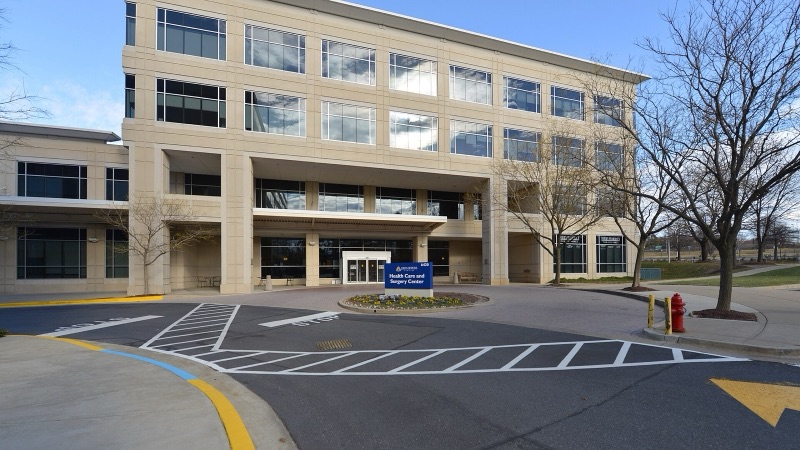
Jefferson Health lost $81 million on operations in the three months ended September 30, the first quarter of its 2027 fiscal year, the Philadelphia Inquirer reported1 on Friday from results the system shared with bondholders. The loss came as Jefferson negotiates new contracts with Independence Blue Cross, Highmark and Horizon Blue Cross Blue Shield of New Jersey, all of which run out on December 31.
Jefferson's chief financial officer, Mike Harrington, tied the results directly to those talks. He said the system is seeking higher payment rates and pointed to inflation and to what he called insurers' unilateral changes to their reimbursement policies, according to the Inquirer.
Hospital contract talks set the prices that employers and their workers pay through premiums, deductibles and coinsurance. Whatever rate increase Jefferson wins from Independence, the dominant insurer in the Philadelphia region, flows into the cost of coverage for the employers that buy Independence plans.
If the talks fail, the cost moves to patients in a different way. A health system that leaves an insurer's network can bill that insurer's members at out-of-network rates, which usually means higher out-of-pocket costs for anything other than emergency care.
Revenue rose 8% to $4.34 billion, up from $4 billion a year earlier, the Inquirer reported. Patient revenue grew 4%, revenue from Jefferson's own insurance business grew 21%, and other revenue grew 16%.
The loss would have been larger without investment income. Jefferson, which includes Thomas Jefferson University, follows higher education accounting rules that let it count $75 million of investment income as operating revenue. Without that income, the operating loss would have been $156 million.
The year-earlier loss was $104 million, and it included $19.4 million of restructuring costs. Admissions rose 2.3% to 64,370, while surgical procedures dipped slightly to about 47,700. The disclosure gave no reason for the decline in surgeries, the Inquirer reported.
The two sides describe Independence's rates very differently. Jefferson says Independence pays it about 40% below national averages and wants significant increases, the Inquirer reported on November 62. Independence says its rates to Jefferson are competitive for the local market and that it has offered a significant increase.
Highmark has said it is still negotiating in good faith, according to the same report.
The Pennsylvania Insurance Department said on November 6 that it will step in if there is no deal with Independence or Highmark by December 31. Under Act 94, a 1975 state law that applies only to Blue Cross and Blue Shield plans, the insurance commissioner can suspend a contract termination for up to six months, hold public hearings and bring in an arbitrator. Regulators cannot force the two sides to sign a contract, the Inquirer reported. Independence said it gave the department the required 90 days' notice that the contract could end on December 31.
The contracts expire at the end of the day on December 31. If Jefferson and Independence or Highmark have not reached a deal by then, the Pennsylvania Insurance Department can use its Act 94 powers to keep the contract in force while the two sides keep talking. The state law does not cover Horizon, which is regulated in New Jersey.
Jefferson's next quarterly results, for the three months ending December 31, would show whether the system has made up ground on costs while the talks continue.